Discover the 10 Best Spa Resorts for Ultimate Relaxation in 2025

Recent Trends in Spa Resort Travel
The wellness tourism sector continues to evolve as travelers seek deeper, more personalized experiences. In 2025, several key trends are shaping the landscape of spa resort offerings:
- Integrated wellness programs: Resorts are moving beyond standalone spa treatments toward holistic itineraries that combine nutrition, movement, and mental health support.
- Digital detox & nature immersion: Properties are emphasizing screen-free environments with guided outdoor activities such as forest bathing, sunrise yoga, and coastal meditations.
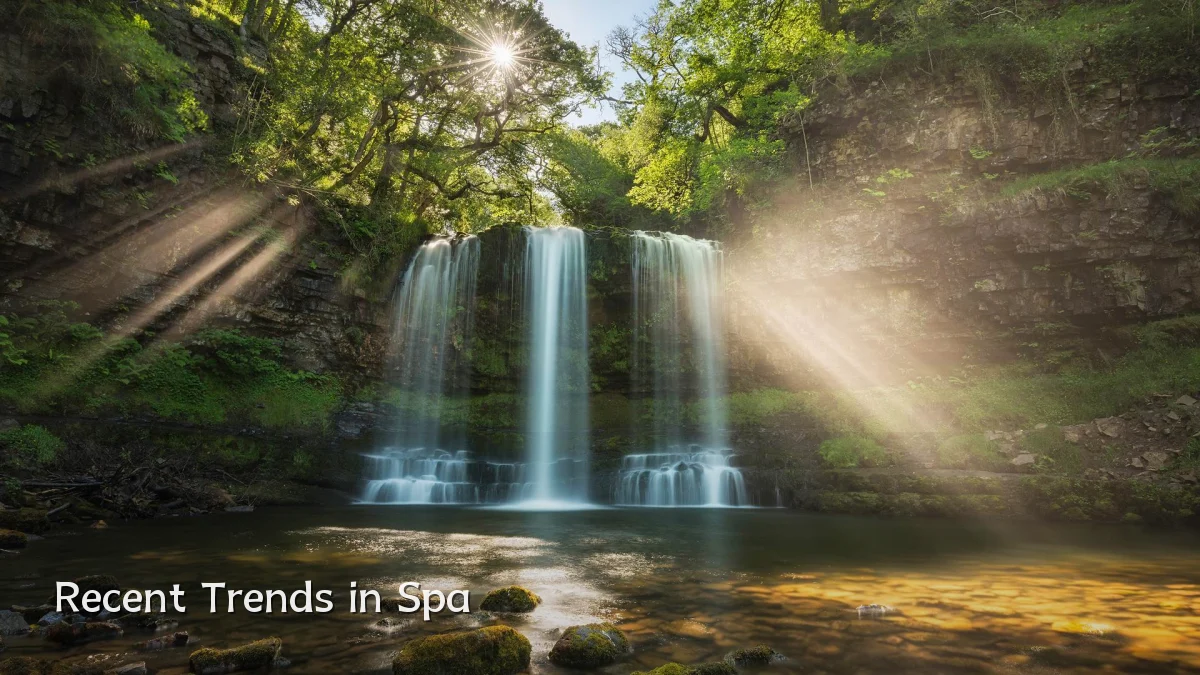
- Thermal & water-based therapies: From hydrotherapy circuits to natural hot springs, water-centric healing is a growing priority for relaxation-focused stays.
- Local & sustainable practices: Spas are sourcing local botanicals, employing indigenous healing traditions, and minimizing waste to align with eco-conscious guest expectations.
Background on the Modern Spa Resort Market
Once considered a luxury add-on, the spa resort has matured into a standalone travel category. Market observers note that the global wellness tourism market is projected to continue its steady growth, driven by rising awareness of chronic stress and burnout. Leading destinations—from Southeast Asia to the Mediterranean and the Americas—are investing in purpose-built wellness resorts rather than retrofitting existing hotels. The typical “best spa resort” now offers a minimum of 10 treatment rooms, a full hydrotherapy facility, and multi-day wellness packages. At the same time, smaller boutique properties are carving out niches with hyper-personalized care.
Common User Concerns When Choosing a Spa Resort
Prospective guests often weigh several practical and experiential factors before booking. The following points are frequently cited in traveler reviews and industry feedback:
- Pricing transparency: Guests want clear breakdowns of treatment costs, resort fees, and package pricing—hidden surcharges erode trust.
- Therapist qualifications: Accreditation from recognized bodies (e.g., CIDESCO, ITEC) matters for confidence in treatment quality.
- Allergen & dietary needs: Resorts that can accommodate specific food restrictions without compromising the “wellness” concept receive higher marks.
- Solo vs. group suitability: Some resorts excel at quiet solitude, while others offer social wellness events; misalignment can dampen the experience.
- Accessibility & location: Remote settings appeal for deep escape, but guests often check for nearby medical facilities and ease of transport.
Likely Impact on the Industry
As consumer expectations rise, spa resorts that fail to deliver genuine rest—rather than superficial pampering—risk losing market share. Industry analysts anticipate several shifts:
- Increased certification standards: Independent wellness audits may become a differentiator, much like Michelin stars for dining.
- Fractional ownership & membership models: To stabilize revenue, some high-end resorts are offering annual wellness subscriptions or residency programs.
- Cross-sector collaboration: Partnerships with sleep labs, longevity clinics, and meditation app providers will deepen the guest experience.
- Technology-free zones: Even as wearable wellness tech grows, designated screen-free areas will become standard in relaxation-focused resorts.
What to Watch Next
Looking ahead, several developments merit attention for anyone tracking the “best spa resort” space:
- New openings in emerging regions: Central America, the Caucasus, and parts of Southeast Asia are seeing major wellness resort development.
- Mental health integration: Resorts offering on-site psychology, sleep coaching, or stress-reduction clinics may redefine the category.
- Artificial intelligence in personalization: Early adopters are using AI to tailor treatment sequences and meal plans—monitor how this balances with human touch.
- Regenerative travel policies: Instead of just reducing harm, some resorts aim to leave destinations better through reforestation, marine conservation, or community support.