Wellness Retreats Perfect for Online Learners Needing a Change of Scenery
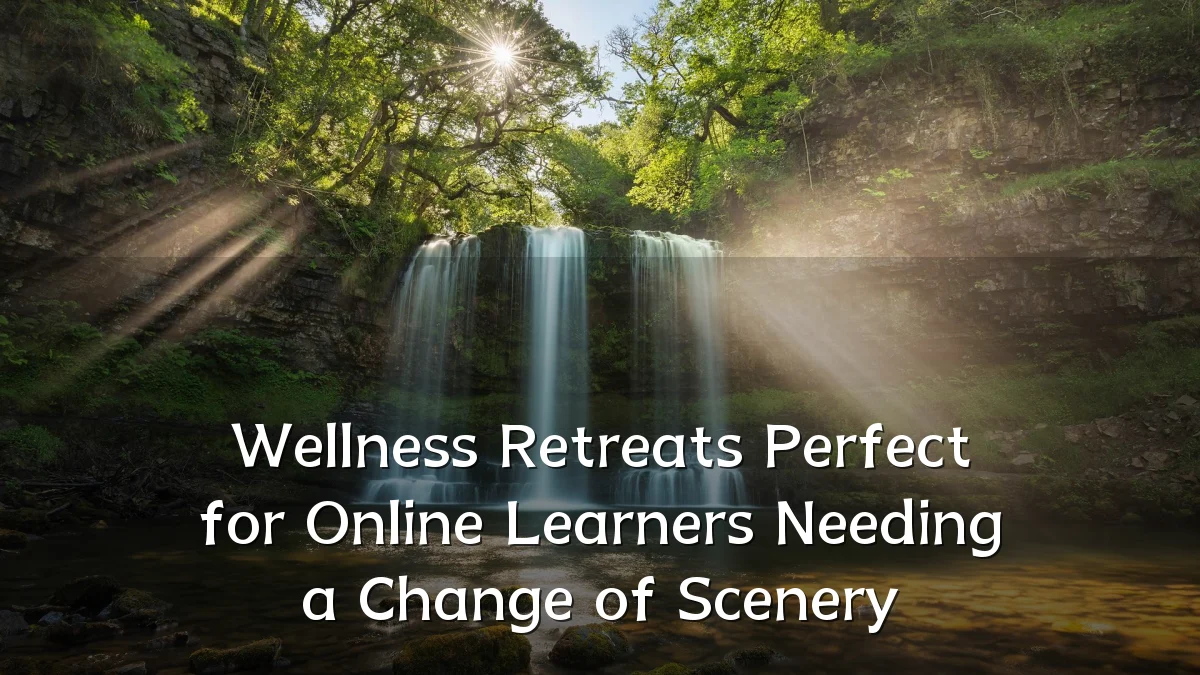
Recent Trends in Wellness Travel for Remote Students
Over the past several quarters, a growing number of wellness retreats have introduced programming explicitly aimed at online learners. Operators are bundling high-speed connectivity, quiet co-working spaces, and structured downtime with activities such as yoga, guided hikes, or digital detox hours. The shift reflects a broader recognition that remote education can be isolating and that a change of physical environment may boost focus and mental well-being.

Background: Why Online Learners Seek Retreats
Asynchronous and synchronous online learning became mainstream during the pandemic, but many students continued studying remotely even after restrictions eased. Common pain points include:

- Prolonged screen time and reduced physical movement
- Difficulty separating study space from living space
- Limited social interaction with peers or instructors
- Fatigue from maintaining self-discipline without external structure
Wellness retreats offer a structured break from these patterns, combining academic productivity with intentional wellness routines.
User Concerns When Choosing a Retreat
Online learners evaluating retreats typically weigh several practical factors:
- Reliable, fast internet and adequate power outlets for coursework
- Quiet hours or dedicated study zones separate from social activities
- Duration options that fit academic calendars (e.g., long weekends, one-week stays)
- Cost transparency, including meals, accommodation, and program fees
- Flexible cancellation policies in case of schedule changes
Some learners also look for retreats that offer academic coaching or peer study groups, though such features are not yet universal.
Likely Impact on Learning and Well-Being
Early anecdotal feedback from participants suggests that even a short retreat can improve concentration, reduce burnout, and provide a reset. When the environment supports both study and rest, learners may return to their regular routines with renewed motivation. However, outcomes depend heavily on the individual’s ability to balance course deadlines with wellness activities — retreats that over-program leisure can add stress rather than relieve it.
For retreat operators, the rise of “ed-wellness” travel opens a niche market. Those that deliver stable infrastructure and clear scheduling are likely to see repeat attendance and positive word-of-mouth.
What to Watch Next
The following trends may shape this space in the near term:
- More retreats offering subscription models (e.g., monthly weekend stays) for ongoing support
- Integration of formal academic credit or continuing education units (CEUs) with certain retreat programs
- Expansion of retreats located near universities, allowing learners to combine travel with campus visits
- Growing demand for inclusive pricing tiers to serve students on limited budgets
As remote learning remains a fixture in higher education, the intersection of wellness travel and study flexibility is likely to deepen — provided operators can maintain quality, affordability, and academic relevance.