The Rise of Biohacking Retreats: Where Travel Meets Cutting-Edge Wellness
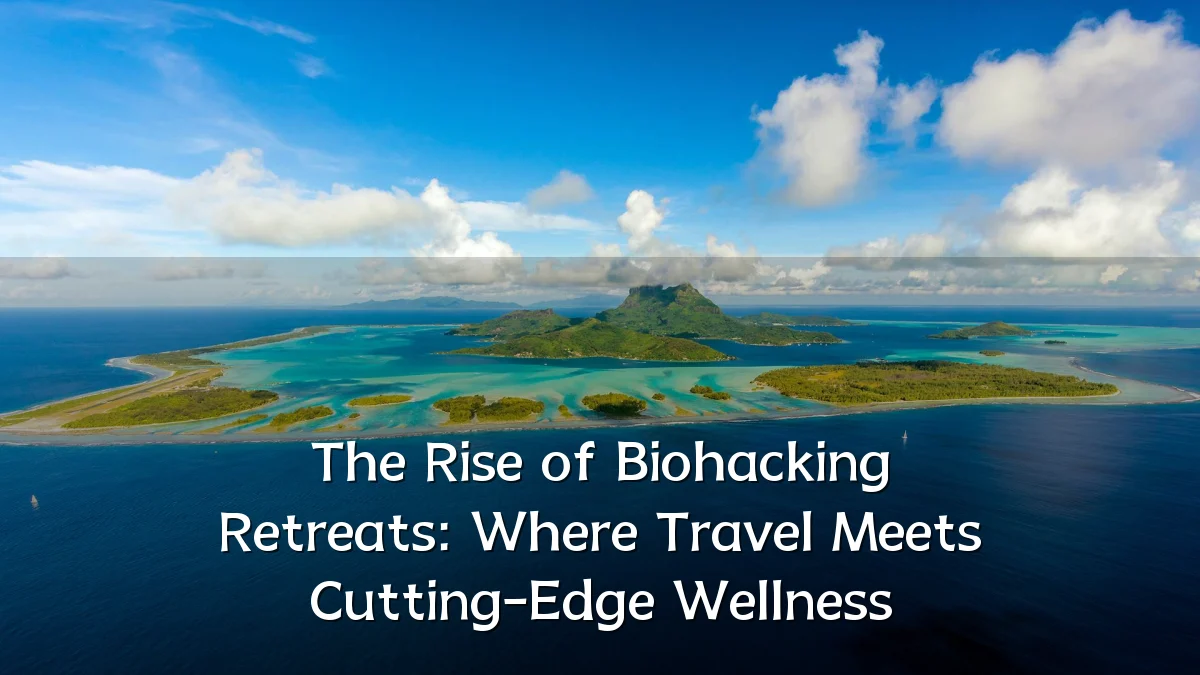
Recent Trends
The wellness tourism sector has expanded beyond spas and yoga retreats into a new frontier: biohacking retreats. These destinations offer interventions once confined to Silicon Valley labs—cryotherapy chambers, hyperbaric oxygen therapy, red light panels, nootropic IV drips, and neurofeedback sessions—all packaged as a travel experience.

Key trends observed in this niche include:
- Short stays, high intensity: Programs range from three to seven days, with packed schedules of treatments and assessments, appealing to time-pressed professionals.
- Remote luxury locations: Properties in Costa Rica, the Swiss Alps, and desert retreats in Arizona combine isolation with high-end accommodations.
- Data-driven personalization: Guests often receive biomarker testing (blood, microbiome, genetic markers) upon arrival, with regimens tailored to results.
- Hybrid offerings: Many retreats fuse biohacking with traditional wellness activities such as yoga, meditation, and plant-based cuisine, creating a bridge for curious newcomers.
Background
Biohacking—defined broadly as the practice of using science, technology, and self-experimentation to optimize physical and cognitive performance—has roots in the early-2000s quantified-self movement. It gained notoriety through figures like Dave Asprey (Bulletproof) and Ben Greenfield, who popularized methods like cold exposure, intermittent fasting, and supplements among health-focused audiences.
The leap from home-based tinkering to organized retreats mirrors the broader growth of wellness tourism, valued in the hundreds of billions annually. Entrepreneurs recognized an opportunity: travelers willing to spend heavily on health transformation could be served by destinations that provide access to equipment and expertise unavailable in most cities. Early adopters were early-stage investors, tech executives, and athletes. Today the demographic is broadening to include high-net-worth individuals seeking anti-aging or cognitive enhancement.
User Concerns
While the concept appeals to many, several concerns have emerged among potential participants and industry observers:
- Lack of regulation: Most biohacking protocols are not approved by major medical bodies. Retreats may operate with limited oversight, raising questions about safety, especially for interventions like IV therapies or high-oxygen protocols.
- Cost versus evidence: Packages often start in the low five figures. The long-term efficacy of many treatments remains under-studied, leaving guests to weigh anecdotal hype against their budgets.
- Psychological pressure: The data-heavy, optimization-focused environment can amplify anxiety about aging, productivity, or health metrics that are partly genetic and beyond lifestyle control.
- Exclusivity and hype: Critics argue that biohacking retreats risk selling a “silver bullet” fantasy without addressing fundamental health foundations like sleep, nutrition, and social connection—things most travelers could improve at a fraction of the cost.
Likely Impact
The rise of biohacking retreats is poised to influence both the travel and health industries in measurable ways:
- New revenue streams for hospitality: Traditional resorts and luxury hotels are adding biohacking rooms (e.g., infrared saunas, ozone pools) to differentiate themselves.
- Normalization of “functional medicine” tourism: As retreats proliferate, they help mainstream concepts like continuous glucose monitoring, sleep tracking, and genetic testing for a non-technical audience.
- Potential regulatory attention: If adverse events occur, health authorities in popular retreat destinations may tighten rules around unlicensed medical claims and equipment use, reshaping the business model.
- Fragmentation or consolidation: The market could split between low-cost, DIY-style options (weekend workshops in cities) and high-end medicalized residencies, or consolidate under a few large wellness chains with standardized protocols.
What to Watch Next
Several developments could define the next phase of this trend:
- Integration with wearable devices: Retreats may increasingly sync with guests’ existing Apple Watches, Oura Rings, or continuous monitors to measure progress before, during, and after the stay.
- Longevity-focused clinics: Some retreats are morphing into ongoing “membership” programs where visitors return quarterly for blood work and treatment adjustments—resembling preventive health subscriptions rather than one-off vacations.
- Mainstream medical endorsement: If large hospitals or academic medical centers partner with retreats to study outcomes, credibility could leap forward. Several such trials are rumored but not yet publicly confirmed.
- Regulatory tipping points: Watch for guidance from the U.S. Food and Drug Administration or European health authorities on what constitutes a “wellness service” versus a medical procedure—the distinction will affect pricing and liability.
- Accessible alternatives: Budget-friendly hotels and online platforms may start selling smaller biohacking experiences (single red-light sessions, cold plunge access) for consumers who cannot afford full retreats.