The Ultimate Guide to Complete Wellness Travel: Resetting Mind, Body, and Spirit

Recent Trends in Wellness Travel
The travel industry has seen a marked shift from purely leisure itineraries to purpose-driven journeys that prioritize holistic health. Rising interest in mental well-being and stress management has driven demand for retreats and trips that integrate physical activity, nutritional guidance, and mindfulness practices. Destinations are expanding their offerings beyond spa treatments to include outdoor immersion, digital detox programs, and structured sleep hygiene schedules.
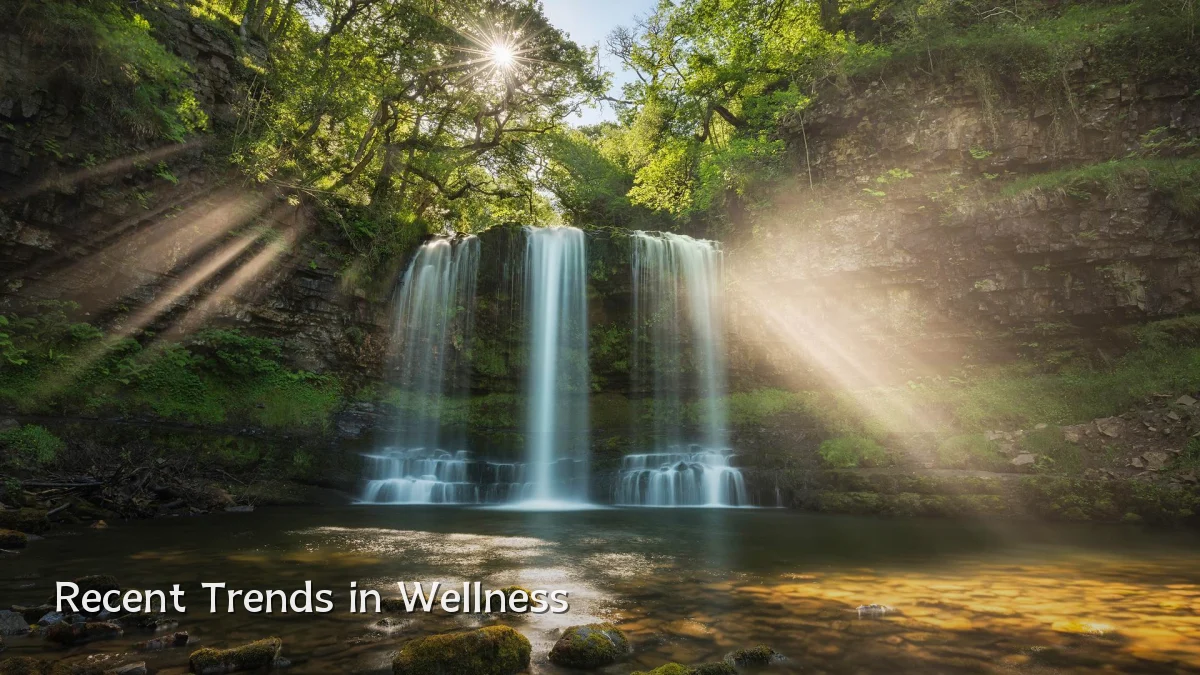
- Multi-day retreats now commonly combine yoga, meditation, and guided nature hikes.
- Culinary programs focus on locally sourced, nutrient-dense meals rather than generic diet plans.
- Travelers increasingly seek itineraries that reduce screen time and encourage present-moment awareness.
Background: How Complete Wellness Travel Evolved
Wellness travel once referred mainly to luxury spa resorts. Over the past decade, the concept broadened to encompass evidence-based health practices, mental resilience training, and cultural immersion. The term "complete wellness travel" now implies a reset across three dimensions: physical activity, mental clarity, and emotional balance. Operators now consult with health professionals, from nutritionists to sports therapists, to design programs that address fatigue, burnout, and lifestyle-related health concerns.
Travelers no longer view a holiday as a break from their routine, but as an active investment in long-term health habits.
User Concerns and Practical Considerations
For many, the main challenge is matching a program to personal goals without overcommitting or overspending. Common concerns include the credibility of wellness providers, the intensity of daily schedules, and the ability to maintain benefits after returning home.
- Program intensity: Some retreats pack four to six structured hours of activities daily; others allow free time for rest and exploration.
- Accommodation quality: Noise levels, bed comfort, and air quality directly affect sleep and recovery outcomes.
- Post-trip integration: Programs that offer take-home meal plans or daily meditation logs tend to help users sustain habits longer.
- Cost transparency: Inquire about included services such as private consultations, equipment rentals, and airport transfers to avoid surprise charges.
Likely Impact on the Travel and Wellness Sectors
If demand continues at its current trajectory, mid-market and boutique hotels will likely add wellness modules to standard packages rather than operate separate high-end retreats. This could make complete wellness travel more accessible to a broader demographic. The integration of remote work policies may also blur the line between work travel and wellness stays, especially for those who can combine a digital detox with a working vacation. Insurance and corporate wellness programs may begin to cover or subsidize such trips if data on reduced burnout and improved productivity becomes more robust.
- Smaller, locally owned lodges may gain market share by offering personalized programs over standardized resort menus.
- Wellness tourism boards are likely to promote regional health traditions—such as onsen bathing or forest bathing—as anchor experiences.
What to Watch Next
Keep an eye on regulatory standards for wellness travel claims; a lack of industry-wide certification currently leaves travelers dependent on reviews and word of mouth. Also watch for collaborations between travel companies and research institutions to measure physiological outcomes—such as changes in heart rate variability or cortisol levels—as these could shift how programs are marketed and evaluated. Finally, note how destination choices evolve: areas with stable climates and robust local food systems may see sustained growth, while less resilient regions could struggle to maintain consistent wellness offerings year-round.