The Ultimate Guide to Choosing a Spa Retreat for Deep Relaxation

Recent Trends in Spa Retreat Travel
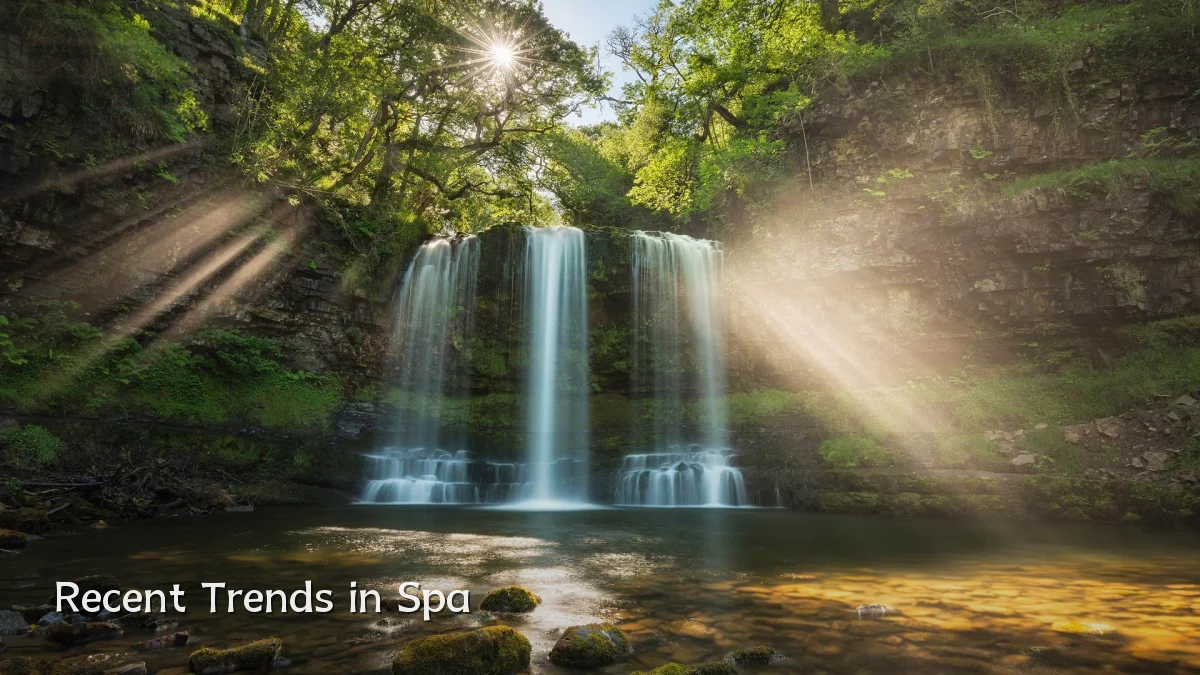
Wellness travel has shifted from a luxury add-on to a primary travel motivation for many. Recent trends show travelers prioritizing longer stays—three to seven nights—over quick weekend trips, seeking programs that combine structured wellness activities with ample unscheduled downtime. Digital detox packages, where devices are voluntarily surrendered, have gained traction, as have retreats situated in remote natural settings that emphasize silence and solitude.
Another emerging pattern is the integration of evidence-based relaxation techniques, such as guided breathwork, cold exposure therapy, and forest bathing, into standard spa itineraries. Travelers increasingly expect a retreat to offer more than massage and facials; they look for measurable outcomes like improved sleep quality, reduced cortisol levels, or a restored sense of mental clarity.
Background: The Evolution of Wellness Travel
The concept of spa retreats originated in ancient bathing cultures, but the modern wellness tourism industry took shape in the late twentieth century as a blend of medical tourism and leisure travel. Over the past decade, the sector has expanded to include niche offerings such as Ayurvedic retreats, thermal hot spring resorts, and eco-spas that emphasize sustainability alongside relaxation.

Consumer expectations have evolved accordingly. Where once a hot stone massage and a green juice were sufficient, today’s guests evaluate a retreat based on the qualifications of its practitioners, the sourcing of its meals, the quality of its sleep environment, and the authenticity of its cultural integration. The rise of online reviews and social media has also made transparency a prerequisite—travelers now cross-reference program details before booking.
User Concerns When Selecting a Retreat
Choosing a spa retreat for deep relaxation involves several practical considerations. The following factors are commonly cited by travelers:
- Program structure vs. free time: Some retreats run a full daily schedule, while others offer optional activities. Determine which balance supports your relaxation goals.
- Staff credentials: Check whether therapists, yoga instructors, and nutritionists hold recognized certifications. This is especially critical for specialized treatments like medical massage or breathwork.
- Accommodation environment: Noise levels, mattress quality, and proximity to treatment rooms can significantly affect relaxation. Look for retreats that clearly describe their room specifications and quiet hours policy.
- Dietary flexibility: Many retreats serve fixed menus. Confirm whether they accommodate allergies, intolerances, or dietary preferences without requiring substitute meals that compromise nutrition.
- Reputation for solitude: Group retreats can be social or silent. Read recent reviews to understand the actual atmosphere—some retreats that market themselves as peaceful may host large groups or corporate teams.
- Cancellation and refund policies: Wellness travel often requires nonrefundable deposits. Evaluate the fairness of the policy, especially given potential travel disruptions.
Likely Impact on Travelers and the Industry
For travelers, a well-chosen retreat can deliver lasting benefits beyond the stay itself, including improved stress management habits and better sleep routines. However, a mismatch between expectations and reality can lead to disappointment or financial loss. The trend toward longer, more immersive programs suggests that guests are becoming more discerning—they are willing to invest more time and money, but they demand verifiable quality in return.
For the spa and wellness industry, this shift creates pressure to standardize credentialing, improve transparency in marketing, and develop outcome-based programming. Retreats that cannot demonstrate clear value may lose market share to those that invest in staff training, post-retreat support, and authentic guest testimonials. The likely long-term impact is a bifurcation of the market: premium, high-integrity retreats will thrive, while generic resort-style spas may see declining interest among dedicated wellness travelers.
What to Watch Next in Wellness Travel
Several developments are worth monitoring as the spa retreat landscape continues to evolve:
- Regenerative travel models: Expect more retreats that combine guest relaxation with environmental restoration, such as carbon-positive accommodations or on-site permaculture projects.
- Telemedicine integration: Pre- and post-retreat consultations via video may become standard, allowing practitioners to personalize programs and measure long-term outcomes.
- Insurance and corporate wellness tie-ins: As evidence mounts that structured relaxation reduces healthcare costs, employers and insurers may begin subsidizing or covering accredited retreat programs.
- Localized cultural immersion: Rather than generic wellness templates, retreats will increasingly partner with local healers, farmers, and artisans to create place-specific relaxation experiences.
- Data-driven personalization: Wearable devices that monitor sleep, heart rate variability, and stress levels may be used to tailor daily schedules and track progress during the retreat.